
Today, it is difficult to imagine the existence of the music industry without the presence of the all-encompassing internet. The vast majority of music revenue is made via streaming, artists rely heavily on social media for promoting their work and a great deal of the “fan experience” happens online.
This, of course, was not always the case. Most of the artists featured on this website began making and releasing music long before the internet was made available for public consumption, which led to a complicated new frontier in the industry. Could this new piece of technology assist artists in growing their careers? What would happen as physical music sales dwindled in favor of digital ones? What are the potential downsides and pitfalls?
The rock community’s response to the rise of the internet varied.
In 1994, the year after the World Wide Web became public, the Rolling Stones livestreamed five songs during their concert at the Cotton Bowl in Dallas. At that time, the Stones were middle-aged men who had been making music for approximately 30 years, but they clearly had no plans to slow down or turn away from new ways of interacting with fans. Using a service called Mbone — short for multicast backbone — the Stones became the first major rock band to broadcast live over the internet.
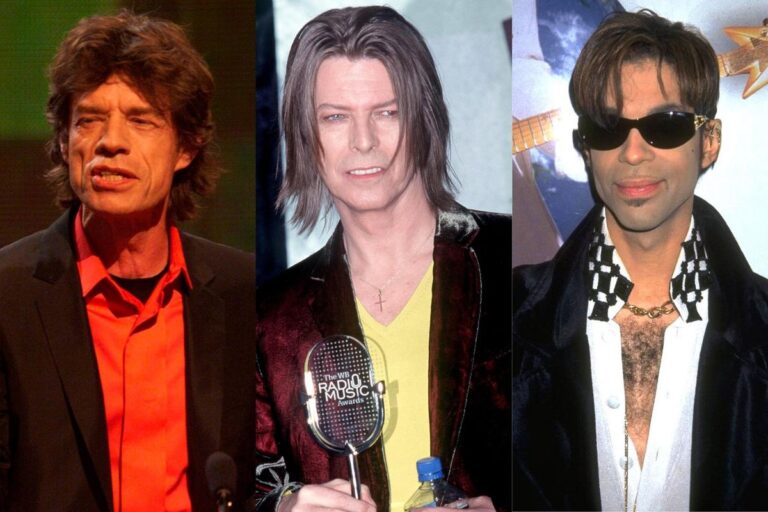
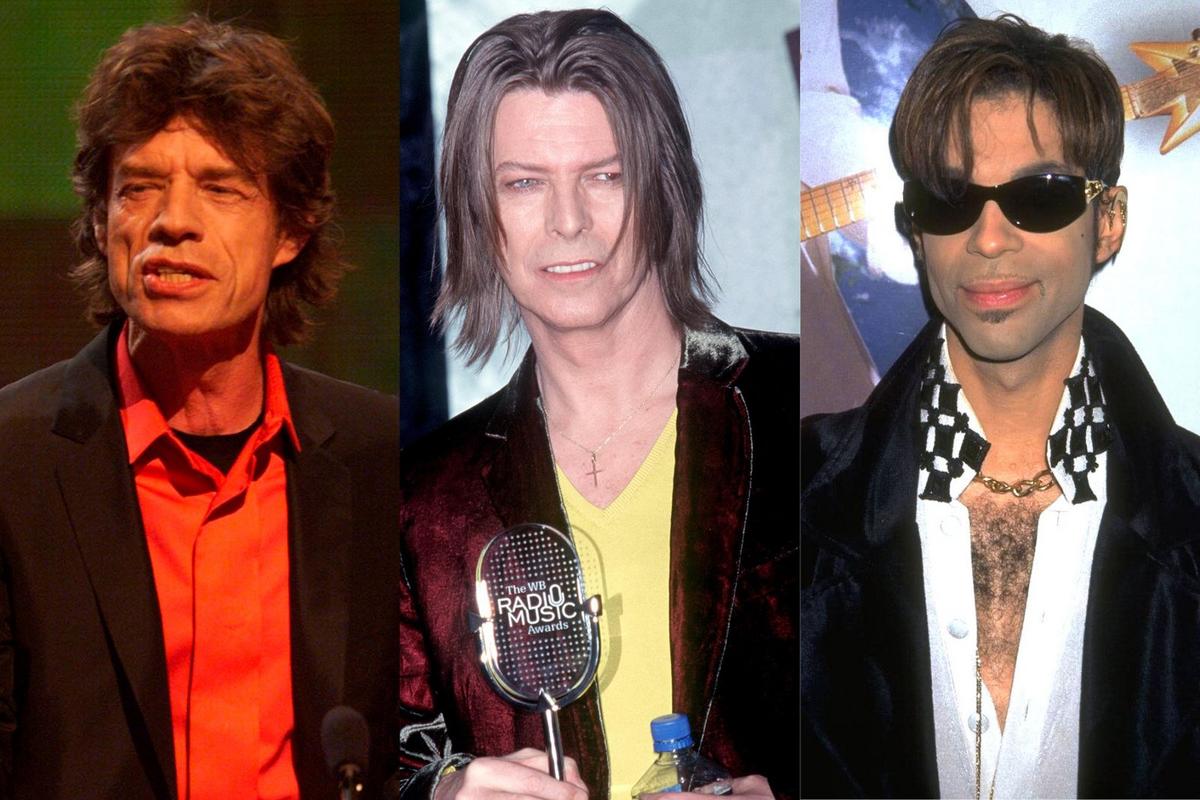
“I want to say a special welcome to everyone that’s climbed into the internet tonight,” Mick Jagger said at the show. “I hope it doesn’t all collapse.”
Mick Jagger Takes Matters Into His Own Hands
Jagger in particular embraced the internet as it developed further in the late ’90s and early 2000s. In 1997, he formed his own broadcast company for the sole purpose of broadcasting the Akai-Singer Champions Trophy, a cricket tournament featuring England, Pakistan, India and West Indies.
“Jagged Internetworks is a company founded to produce and promote sports and entertainment events on the internet,” he said in a statement then (via The New York Times). “The first sport we selected was cricket, because of my passion for the game.”
The singer applied a similar approach to his solo music, making sure to keep his personal website, mickjagger.com, stocked with free audio, video and lyrics for his followers.
“The internet has really made great technological strides over the years,” Jagger said to CBS in 2001, not long after releasing his solo album Goddess in the Doorway. “It’s exciting — it makes it possible to share a little something special with my fans.”
READ MORE: Mick Jagger’s 18 Best Collaborations Outside the Rolling Stones
From the beginning, it appeared that Jagger recognized how the internet could expand one’s musical world, having come of age in an era where discovering new music usually meant hearing whatever was popular on the radio at the time.
“It’s very easy now to discover music because there [on the internet] you have all this access to it,” he said in a 2008 interview with MySpace, then an incredibly popular social networking platform. “I remember it being very difficult to find anything that wasn’t in the mainstream of top-selling music. Outside of that it was very hard to find things.”
The Information Superhighway
It wasn’t just the Rolling Stones who saw the writing on the wall in the ’90s. Megadeth set up their own website in 1994 called “Megadeth, Arizona,” where fans could engage with one another in chat rooms and stay informed of band announcements. Also in 1994, Geffen Records made “Head First,” an unreleased song from Aerosmith‘s Get a Grip sessions, available for people to download via CompuServe, one of the first major ISPs in America. Back then, it could take up to 90 minutes for a track the length of “Head First” to download, and yet, 10,000 people did exactly that. Small potatoes in the grand scheme of the broader music industry, but a clear sign that the market was there.
“If our fans are out there driving down that information superhighway,” Steven Tyler said in a statement then (via Classic Rock), “then we want to be playing at the truck stop.”
A few years later in 1997, Radiohead created their own website just in time for the release of Ok Computer, an album the band’s own label was skeptical of. But with the help of the internet and subsequent fan sites, Ok Computer and Radiohead on the whole grew in popularity.
Even before that, there were a number of dial-up networks that hosted groups dedicated solely to specific bands like the Grateful Dead and Phish, where fans could share MP3 bootlegs and discuss similar interests.
The Downsides of the Internet
Naturally, there have also been concerns raised by artists and labels alike. Particularly as more and more music was made available to people via the internet, it became clear that some might abuse the privilege. The music of the Beatles, for example, was not put on iTunes until 2010 after years of negotiation. Paul McCartney once raised the issue with Guy Hands, whose private equity firm bought EMI Records in 2007.
“I said: ‘What is the problem? I want to do it, we all want to do it,'” McCartney recalled (via The Guardian.) “And he explained that in the deal that we want, they feel exposed. If [digitized Beatles music] gets out, if one employee decides to take it home and wap it on to the internet, we would have the right to say, ‘Now you recompense us for that.’ And they’re scared of that.”
It was a valid thing to fear — Metallica even sued Napster in 2000, the infamous file sharing service, after the band discovered their music was floating around it freely. Metallica drummer Lars Ulrich testified before Congress, as did Roger McGuinn.
READ MORE: How Music Became a ‘Monolithic Force’ in the ‘90s
Jack White has also stressed on more than one occasion over the years his frustration with the way the internet has developed in tandem with the music industry.
“We’re in an age now where music is invisible,” he said to The Age in 2003. “Everything is becoming MP3s. In the next 10 years it’s gonna be all downloads onto an iPod or whatever it is and there’s not gonna be anything you can hold in your hands any more.”
White, it should be noted, was at one point a co-owner of Tidal, a hi-fi streaming platform, but at the time of this writing, owns and operates Third Man Records, which places special emphasis on vinyl production and physical releases.
Elton John has previously voiced a rather dramatic opinion: why don’t we turn the internet off for a while?
“I do think it would be an incredible experiment,” he said in 2007 (via The Guardian), “to shut down the internet for five years and see what sort of art is produced in that span.”
Bob Dylan had a much different, albeit facetious take on it. “I’m afraid to go on the internet,” he said in 2001. “I’m afraid some pervert’s gonna lure me somewhere.”
David Bowie and Prince’s Warnings
As with many things as powerful as the internet, there are upsides, downsides and a whole lot of gray area in between. In 1998, David Bowie created his own internet service provider, BowieNet. The following year, he released his album Hours… on it, effectively becoming the first major artist to release a full album for paid download online.
“We are all aware that broadband opportunities are not yet available to the overwhelming majority of people, and therefore expect the success of this experiment to be measured in hundreds and not thousands of downloads,” Bowie said in a statement then (via The Guardian). “However, just as color television broadcasts and film content on home video tapes were required first steps to cause their industries to expand consumer use, I am hopeful that this small step will lead to larger leaps by myself and others ultimately giving consumers greater choices and easier access to the music they enjoy.”
READ MORE: Top 20 David Bowie Videos
Still, Bowie was aware that the full and possibly dangerous power of the internet had yet to be revealed.
“I don’t think we’ve even seen the tip of the iceberg,” he said to the BBC in 1999. “I think the potential of what the internet is going to do to society, both good and bad, is unimaginable. I think we’re actually on the cusp of something exhilarating and terrifying.”
Another pioneer of online music was Prince. From 2001 to 2006 he had NPG Music Club, a subscription-based website where his fans could access exclusive downloads and other information about upcoming releases — a precursor of sorts to streaming platforms like Spotify.
But like Bowie, Prince remained wary of the web. In 1999, he appeared at the Yahoo Online Music Awards where he presented Public Enemy with the “Online Pioneer” award.
“One thing I wanted to say is don’t be fooled by the internet,” he said then. “It’s cool to get on the computer, but don’t let the computer get on you. It’s cool to use the computer, don’t let the computer use you.”
Artists Who Re-Recorded Their Music
Sometimes a second (or third or fourth) attempt is necessary.
Gallery Credit: Allison Rapp