
This article was adapted and expanded from the country-music newsletter Don’t Rock the Inbox.
I’m not going to lie to you, newsletter readers: it’s hard to newsletter “normally” today. Though, to be fair, I could almost say that about any day for the last near decade. Outside my window, Nashville is frozen. Somehow I currently have power, though half of the city doesn’t and folks are left to try and keep warm in temperatures hovering around four degrees overnight. Trees encased in ice lay all around us, blocking roads, on top of houses and cars. It’s unsettling that something so beautiful can be so harmful. I feel that way about a lot of beautiful things these days.
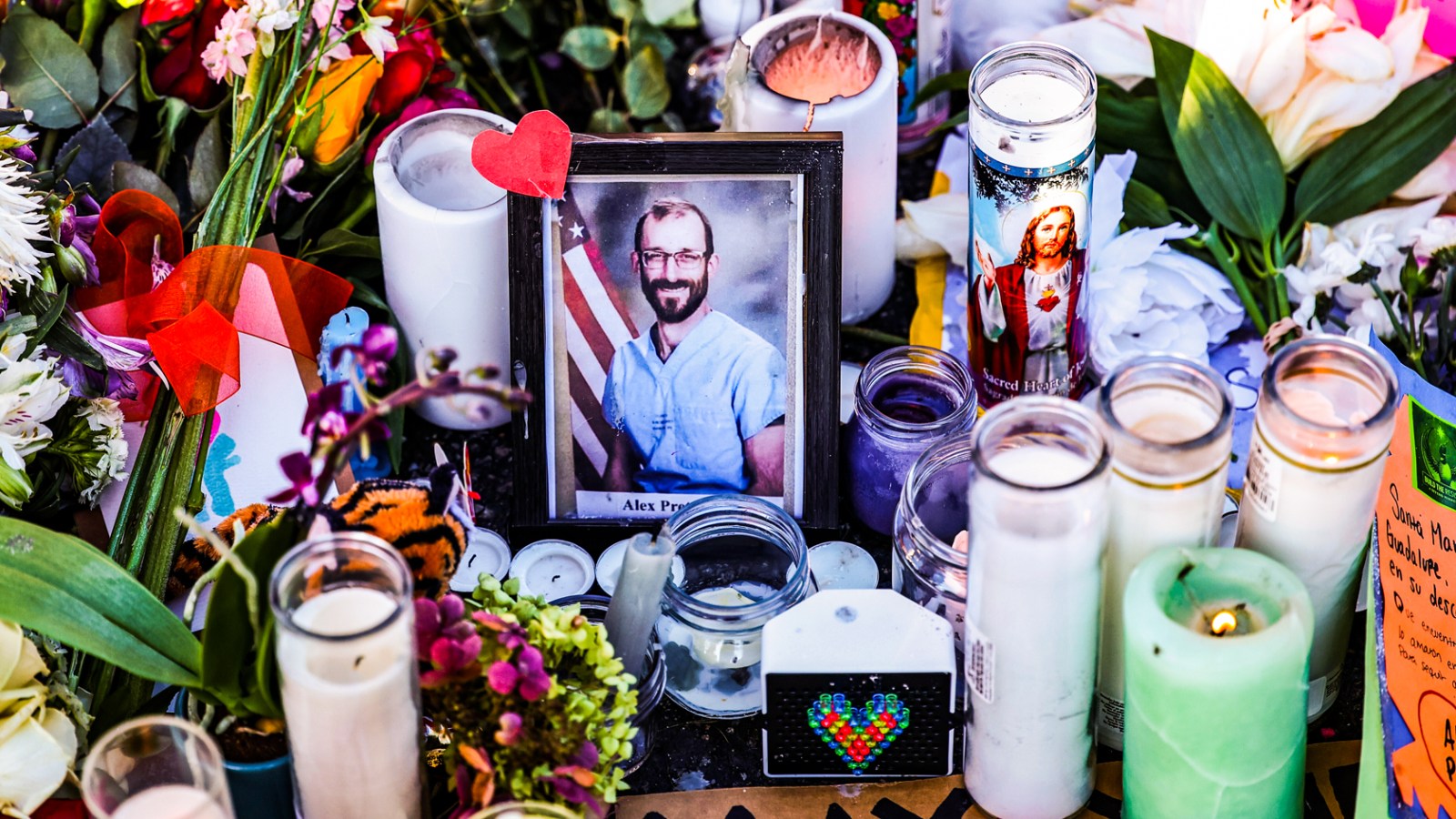
I worry about my city and I, of course, worry about my country. Saturday night we all watched, once again, the killing of an innocent American on our televisions and phones: VA intensive care nurse Alex Pretti, who was simply on the streets of Minneapolis exercising his First Amendment rights. Pretti was shot around 10 times by federal immigration officers and died on the scene. Two weeks ago, Renee Good was killed doing the same. Last September, Santos Edilberto Banegas Reyes was detained by ICE on the way to work and died in custody less than a day later — one of 32 people killed in ICE custody last year alone.
I wish I could talk about all of that here, and it’s my personal opinion that these are issues of morality and not politics — so therefore the country music community should have been speaking out en masse ages ago. But because Alex Pretti was a nurse at the VA — someone who served injured and sick veterans directly — I want to talk about why country music, which prides itself on serving and honoring soldiers, veterans, and military families and has a longstanding relationship with military service, has remained mostly silent.
Pretti had, for the last five years, worked as an Intensive Care Unit nurse at the Minneapolis VA Medical Center. He took care of critically ill veterans, and read their final salutes when they died.
“[Pretti] was patient. He answered all of our questions. He was a genuine person, and it was obvious that he truly cared about what we were going through,” said Jean Trebus, whose father was a Vietnam War veteran and received care from Pretti.
This is all the kind of work that country music — while usually claiming to be “not about politics,” though that has changed during Trump 2.0 — would usually praise (and deservedly so). Artists like John Rich, Lee Greenwood, Jason Aldean, Kid Rock, Trace Adkins, Chris Janson, and many others have made helping veterans a huge part of their platform, and the genre has a long and storied history of songs about the indignities and tragedies of war, from Loretta Lynn’s “Dear Uncle Sam” to the Chicks’ “Travelin’ Soldier,” with many more in between, some laced with more layers of jingoism than others (see: post-9/11 country music). Surely those in country music who make honoring the military part of their brand are speaking out about someone who dedicated their life to taking care of veterans, and was then killed in the streets of America?
Not so much. I am not stunned by the silence — and I also don’t equate social media activism with actual activism (case in point: posting black squares). But public pushback and pressure from celebrities with large platforms is impactful, especially in an arena they claim to care about most and have an opportunity to lead and educate their fans about. But what has John Rich been posting since Saturday? Other than retweeting a blatantly untrue tweet from Homeland Security, he’s mostly been sharing pictures of his frozen trees. Aldean posted sledding photos. Greenwood is still riding on the success of “God Bless the USA” and Kid Rock is…I have no idea, but it’s not talking about the killing of someone who worked with veterans. None of them are showing up for Pretti’s family publicly, leading fundraisers or commenting on the death.
My grandfather was a veteran. The work that country music does is undoubtably important, but I spend a lot of time thinking about how it’s been used politically or as branding for artists who haven’t spent any time serving themselves (I always find it interesting how eager they are to suck up the energy and attention and not focus on platforming actual country music veterans, like Michael Trotter Jr. of the War and Treaty, who served in live combat and still suffers from PTSD). So, if this isn’t about “politics,” and about veterans, shouldn’t country music have something to say about the killing of Pretti, to prove it?
And though I won’t get into that here extensively, Pretti was also a legal gun owner, exercising his Second Amendment right — something that is also very much a part of the narrative of these same country music artists. None of them seem to be interested in posting about the right to bear arms today, though they certainly like to do that when children are being killed in schools. Meanwhile, Trump is apparently now saying: “You can’t have guns”?
Meanwhile Janson, who never misses a chance to post about “American heroes” and the work he’s doing for veterans, posted a series of photos of himself in a hot tub on Monday. (Must be nice!)
If the genre of country music is to live up to its promise of supporting veterans, shouldn’t it care right now about the killing of Alex Pretti, and care enough to be publicly vocal in an impactful way so that it doesn’t happen again? I think it should. Show us that all your flagposting isn’t just about your personal brand. We’ll wait.