
This post is also available in:
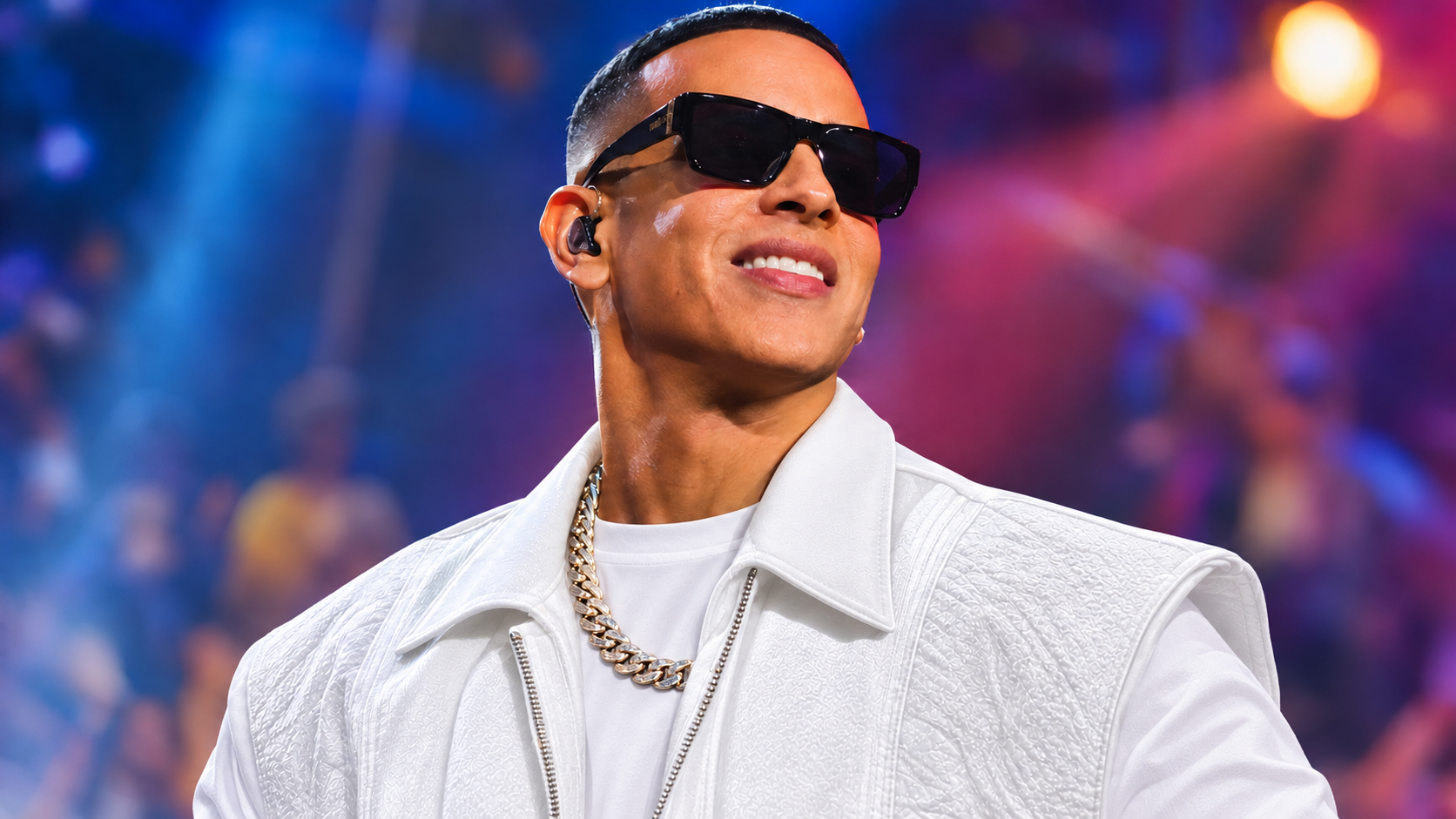
Daddy Yankee is having quite a year! On October 30, he released La Postal, an album that explores love in its many forms. And on November 11, the Latin Recording Academy will honor him as its 2026 Person of the Year during Latin Grammy Week in Las Vegas.
The recognition is well deserved. Daddy Yankee has been one of the driving forces behind reggaetón’s extraordinary worldwide success. But what makes this moment particularly interesting is the direction he’s taking with his music. He is demonstrating something I’ve argued for years: reggaetón doesn’t need sexually explicit lyrics that denigrate women to be successful.
From Gasolina to La Postal
Daddy Yankee, born Ramón Luis Ayala Rodríguez in Puerto Rico, helped transform reggaetón from a predominantly Caribbean phenomenon into a worldwide musical force.
His 2004 album Barrio Fino, featuring the international hit “Gasolina,” was instrumental in that transformation. Other hits followed, including “Con Calma” and his 2017 collaboration with Luis Fonsi on “Despacito,” which became a worldwide sensation. With a remix featuring Justin Bieber, the song spent 16 consecutive weeks at No. 1 on the Billboard Hot 100, tying the record at the time and helping bring Spanish-language music to an even wider global audience.
After announcing his retirement in 2022, Daddy Yankee surprised many fans by returning to music with a different purpose. His 2025 album Lamento en Baile reflected his Christian faith and personal transformation.
My wife Ivonne and I had the opportunity to see Daddy Yankee up close during the New Year’s Eve celebration on December 31, 2025, at Distrito T-Mobile in San Juan. We were in the front row, not only for his performance but also for his rehearsal the previous day! His performance was broadcast internationally by ABC as part of Dick Clark’s New Year’s Rockin’ Eve. It was a memorable experience to see one of Puerto Rico’s biggest international stars from just a few feet away.
Now comes La Postal, a 15-song concept album that explores romantic love, family, self-love, and even love for Puerto Rico and Latin music.
Unlike its predecessor, La Postal isn’t primarily a religious album. Instead, it demonstrates how reggaetón can address human relationships and emotions without depending on the explicit sexual themes so prevalent in the genre.
And Daddy Yankee hasn’t abandoned the rhythm that made him famous.
The album includes collaborations with Myke Towers, Cardi B, Danny Ocean, Bizarrap, and Indian artist Diljit Dosanjh. There’s even a beautiful connection with Puerto Rican musical traditions through “Rosa Live,” a salsa tribute to his mother.
Reggaetón Can Change Without Losing Its Identity
I’ve addressed this subject before in Latino Music Café.
In my article Music and Domestic Violence: Reggaetón & Trap, I argued that the problem isn’t the rhythm. It’s the lyrics that frequently portray women as sexual objects rather than human beings deserving respect.
More recently, in my review of Bad Bunny’s DeBÍ TiRAR MáS FOToS, I recognized the album’s musical and cultural accomplishments while questioning why the genre continues relying on degrading sexual content.
Bad Bunny demonstrated that reggaetón could explore Puerto Rican culture, history, and social issues while remaining enormously popular. But I also argued that his transformation wasn’t complete.
Daddy Yankee is taking another important step in that direction.
What makes his example particularly significant is his stature within the genre. We’re not talking about an outsider criticizing reggaetón. We’re talking about one of the artists who helped make it a worldwide sensation.
A Recognition Beyond the Music
The Latin Recording Academy’s Person of the Year recognition celebrates Daddy Yankee’s nearly three decades of musical achievements and his humanitarian contributions.
It’s a fitting tribute to an artist who helped open international doors for Puerto Rican music.
But perhaps his greatest contribution is still ahead.
With La Postal, Daddy Yankee is showing younger artists that they can preserve reggaetón’s infectious rhythms, commercial appeal, and cultural identity while delivering messages that respect women and celebrate human values.
I’ve never believed reggaetón needed to disappear. I’ve believed it needed to evolve.
If one of the genre’s greatest pioneers can make that change without abandoning his musical identity, what excuse do the others have?