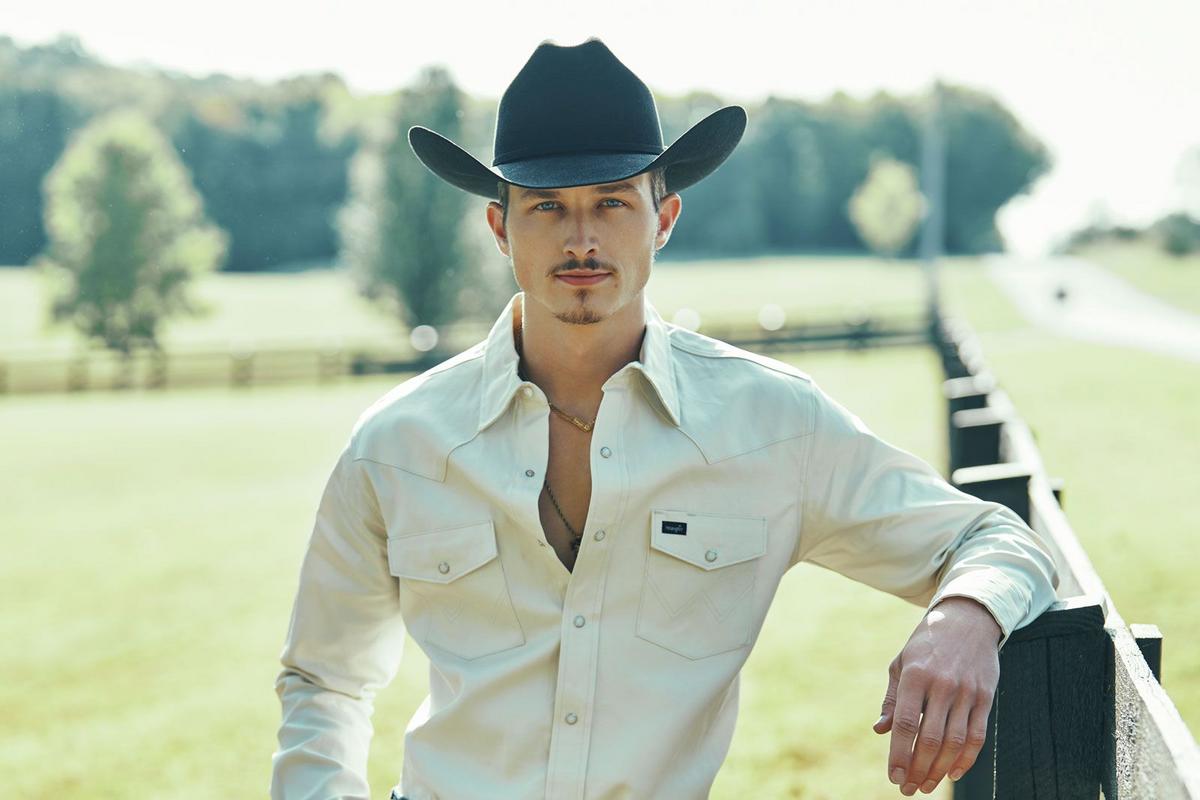

Spencer Hatcher‘s debut single, “When She Calls Me Cowboy,” is bringing a traditional slant back to country radio, and according to one of the song’s writers, the fun lyrics of the playful song borrow directly from real life.
Who Wrote Spencer Hatcher’s “When She Calls Me Cowboy”?
Top Nashville songwriters Marv Green, Bart Butler and Tim Nichols wrote “When She Calls Me Cowboy” in September of 2019, and Green tell Taste of Country that the title comes from a pet phrase that his wife uses with him.
“I’m not normally a cowboy hat guy, but every now and then I’ll wear a cowboy hat, and Tasha will go, ‘Where you goin’, cowboy?’ he relates with a laugh. “‘Where you playing tonight, cowboy?’ With a smile, kind of a flirty thing.”
He says the trio were probably “chasing a Jon Pardi cut” when they decided on a more traditional slant for the music, since Butler was co-producing a project on him at the time.
Once they agreed on the title, it came together pretty quickly, with all three men contributing to the music and lyrics.
“Again, that’s a very flirty lyric, maybe even more flirty than the original intent,” he says.
The result is a song that creates a fun, romantic atmosphere while adhering very strictly to traditional country stylings.
Green sang the demo, which he says is pretty close to Hatcher’s master recording. The song was pitched to both Pardi and George Strait, but neither artist cut it, and “When She Calls Me Cowboy” sat for several years before Hatcher heard it and decided to cut it.
How Did Spencer Hatcher Decide to Cut “When She Calls Me Cowboy”?
The song came to his attention through his producer, Jason Sellers, who “is so well-connected in Nashville,” Hatcher says.
“He reached out to a bunch of people and said, ‘Send me some real country songs. We’ve got this new act, and his goal is to bring back real country music.'”
READ MORE: These Young Country Artists Are Keeping Traditional Country Music Alive
Hatcher and Sellers immediately recognized the song’s potential, especially since it’s a song that lends itself to humming along.
Hatcher points to the song’s relatability and its staunch traditional slant as the main reasons he chose to cut it and release it as his first radio single.
He dropped the key a half-step to showcase the richness and warmth of his voice, and “we really countried it up,” Hatcher says.
He also added in the pedal steel to emphasize the traditional elements even more.
“The demo to the song was already really good, and when you put Jason Sellers and myself in the studio, you’ve still got to make it a Spencer Hatcher song,” he states.
“When we got it back, we were like, ‘This is absolutely that special song,'” he adds. “It wasn’t too hard of a choice to pick this one.
“I’m always looking at relatability, because that’s how you can get a hit. If all of the listeners are able to say, ‘I know exactly what that’s like,’ then I think they’re more likely to play that song again.”
Hatcher is excited about the opportunity to help reintroduce fans to more traditional country music. He’s spent the last year performing live and going around introducing himself to country radio on a radio tour, smoothing the way for the song to achieve its biggest potential.
“I think I came to town at just the right time, and I really pray that it works out for me,” he says. “I’m working as hard as I possibly can. Every day I say the same prayer: That the right person hears it, and this song is gonna blow up and we can take it on an international level.”
For his part, Green is thrilled with Hatcher’s take on the song.
“Spencer sure made it his own. He sounds natural,” he says. “He sounds great on it. He’s the real deal. I’m a fan.”
Hatcher is part of a vanguard of rising young country traditionalists that includes Zach Top, Jake Worthington and more, and Green says he’s “all for it.”
“I always say when it gets too poppy or hip-hoppy, or whatever it does, all it is, is a palette cleanser that makes traditional sound fresh again.”
20 Songs You Won’t Believe Turn 20 In 2026
Gallery Credit: Billy Dukes