
Main songwriters Burton Cummings and Randy Bachman are back on the road after a series of court proceedings over the right to call themselves the Guess Who. But the legal fight isn’t over.
The Takin’ It Back Tour kicked off over the weekend in the group’s native Canada, as Cummings and Bachman played their first show together in decades. The concert took place just days after former Guess Who bandmates Jim Kale and Garry Peterson filed suit over the unconventional manner in which Cummings gained back the band name.
Long out of the lineup, Cummings still owned rights agreements to their most famous songs. (He and Bachman co-wrote the Top 10 hits “These Eyes,” “No Time” and “American Woman.”) Cummings terminated those agreements to keep the continuing edition of the Guess Who from performing them on stage. They were forced to cancel a string of scheduled concerts.
The Risky Move That Changed Guess Who History
After that drastic decision, Cummings risked losing a big source of income. No one else would be allowed to sing these songs either. Valuable royalty payments from concerts, TV and movie placements and radio plays abruptly stopped.
That brought former bandmates Garry Peterson and Jim Kale to the negotiating table. They’d wrested control of the group after its mid-’70s breakup, but weren’t regularly appearing on stage. Cummings and Burton described those shows as fraudulent, since no actual member of the group was involved. After a lengthy arbitration process, Cummings and Burton announced their return as the Guess Who.
READ MORE: When the Guess Who Stumbled Into a No. 1 Hit With ‘American Woman’
Peterson and Kale have now filed a complaint against BMI, the performing rights management company, saying they lost millions when this long-standing agreement suddenly ended. They’d spent months planning a new U.S. tour as the Guess Who with the booking agency BiCoastal Productions. Then, in the middle of a soundcheck, Peterson and Kale say BMI’s chief legal officer informed them that their rights agreement had been terminated “effective immediately.”
They abruptly canceled that night’s show and the rest of the band’s scheduled dates, but Peterson and Kale argue that BMI should have given them more time. “Contrary to BMI’s misinformation, a copyright holder cannot simply provide notice of termination of rights effective immediately in such a manner that would force the cancellation of all concerts that had already been planned, organized and promoted,” according to their lawsuit.
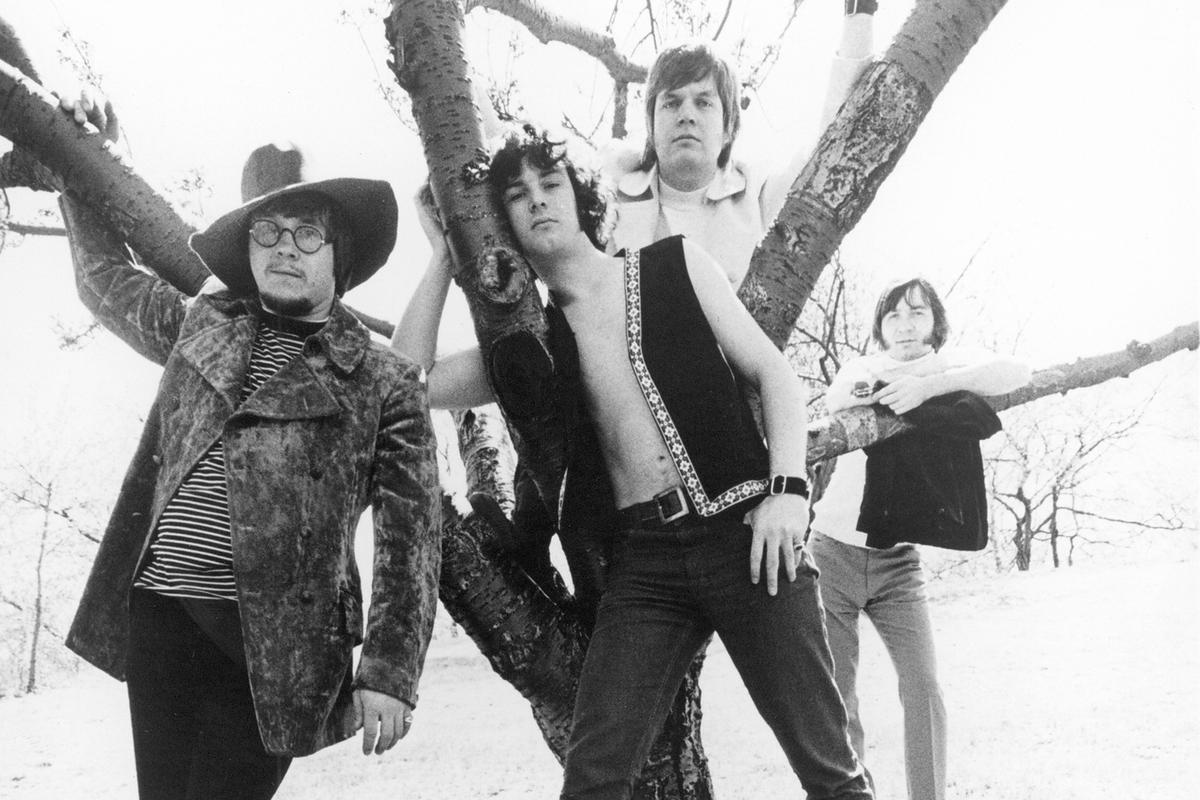
Randy Bachman and Burton Cummings have reunited as the Guess Who for a new tour. (The Guess Who)
How Did the Guess Who Get Into This Legal Mess?
Guitarist Randy Bachman co-founded the Guess Who in 1966 just before frontman Burton Cummings joined. Bachman left in 1970 to form Bachman-Turner Overdrive and then the Guess Who split in 1975. Cummings joined Bachman in a few reunions but the group eventually moved forward without them in the late ’80s.
Original bassist Jim Kale had obtained the rights to the name and was soon joined by fellow cofounder Garry Peterson on drums. But then Kale retired in 2016 and Peterson stopped appearing at every Guess Who concert. Bachman and Cummings charged them with false advertising in 2023, adding that some of the group’s promotional material actually featured their images.
READ MORE: How the Guess Who Carried on After Randy Bachman
Cummings and Bachman announced a Guess Who reunion tour last November, with support from ex-Eagles member Don Felder. Their 12-city Canadian tour began in Niagara Falls and continues into August. The Guess Who is also appearing on February’s Rock Legends Cruise XIII out of Fort Lauderdale, Florida.
BMI Responds to New Guess Who Lawsuit
Peterson and Kale have accused BMI of a string of misdeeds, including fraud, breach of fiduciary duty, intentional interference with contractual relations and negligent misrepresentation. The new lawsuit asks for millions of dollars in direct compensation along with punitive damages based on the company’s “willful, oppressive, fraudulent and malicious” conduct.
They also argue that if terminations could take effect immediately, then the entire process is fundamentally flawed. “In some cases, the venues had no time to find substitute acts and went dark,” plaintiff attorney Michael Machat told Rolling Stone. “What happened doesn’t make sense. With most contracts, particularly commercial contracts, you have to give notice.”
In an official statement, BMI pushed back: “There is no merit to this lawsuit. BMI responded accurately and in accordance with the information provided to us by SOCAN, the foreign society that represents the copyright holders. We stand by our response.”
Bands With No Original Members
Gallery Credit: Nick DeRiso